NDIS Exercise Physiologist in Perth: How to Improve Mobility, Strength & Daily Living with AF Therapy Services
Understanding the Role of an NDIS Exercise Physiologist
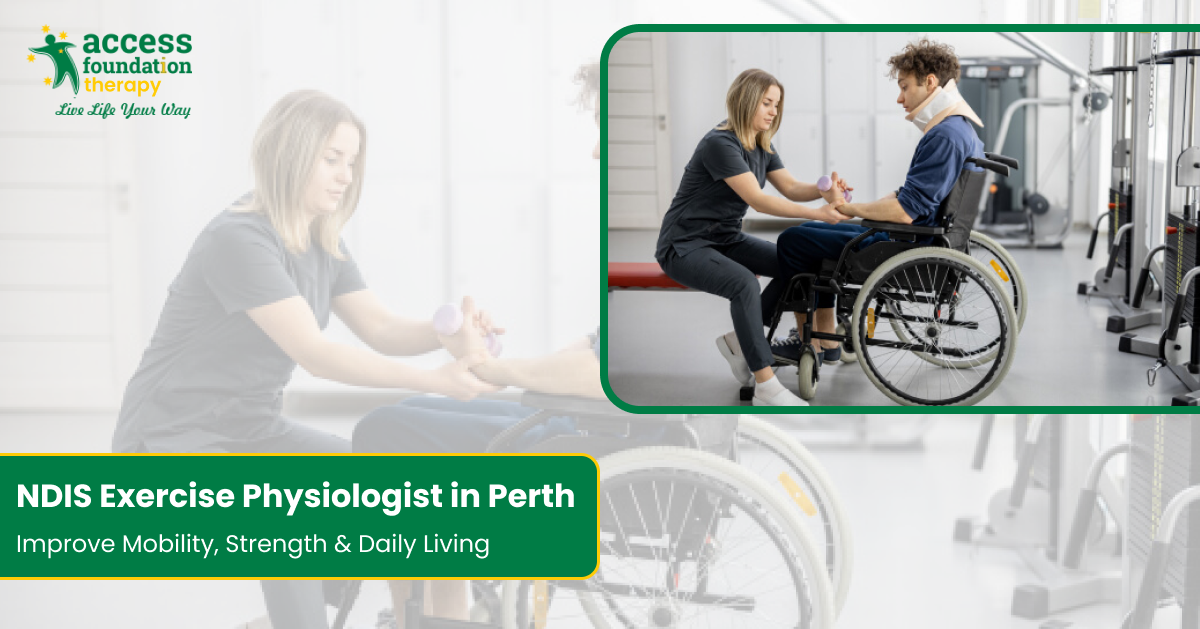
An NDIS Exercise Physiologist helps individuals improve their physical health through structured exercise programs. These professionals focus on mobility, strength, and functional ability. Their goal is to support people in living more independently.
They design personalised exercise plans based on individual needs. Each plan considers medical conditions, physical limits, and lifestyle goals. This makes every activity safe and effective. It also ensures steady and realistic progress over time.
Their role goes beyond basic fitness. They support long-term health by managing conditions and preventing complications. This makes their guidance valuable for everyday life.
Participants often feel more confident with consistent support. Daily tasks become easier. Movement becomes smoother and more controlled. Over time, individuals experience better balance and coordination.
Key responsibilities:
- Personalised exercise planning
- Mobility improvement strategies
- Strength development programs
- Long-term health support
Benefits of Working with an NDIS Exercise Physiologist
Working with an NDIS Exercise Physiologist offers clear benefits. It supports both physical health and daily functioning. Participants can achieve better outcomes with structured guidance.
Exercise programs are matched to individual ability. This reduces injury risk and improves comfort during movement. It also helps build confidence step by step.
Regular sessions improve endurance and strength. Gradually, this leads to more independence in daily routines. Tasks that once felt difficult become easier to manage.
Physical activity also supports mental well-being. It reduces stress and improves mood. Participants feel more positive and active in their daily life. This creates a balanced and healthy routine.
Key benefits:
- Improved mobility
- Increased strength
- Better balance and coordination
- Enhanced confidence
How an NDIS Exercise Physiologist Improves Daily Living
An NDIS Exercise Physiologist focuses on practical improvements. The aim is to make everyday activities easier and safer. This includes walking, lifting, and basic movement tasks.
Exercise plans are designed for real-life use. They are not just for fitness. They are built around daily needs and routines so that progress feels natural and useful.
Over time, participants gain better control of their movements. This reduces effort and improves comfort. It also lowers the risk of injury in daily situations.
These changes improve overall quality of life. Independence increases, and daily stress decreases. Participants feel more capable and confident in their routine.
Daily improvements include:
- Easier movement
- Better posture
- Increased flexibility
- Reduced fatigue
Personalised Programs by an NDIS Exercise Physiologist
Every individual has different needs. A customised program ensures better results. It focuses on specific goals such as strength, balance, or flexibility.
Exercises are adjusted as progress is made. This keeps the program safe and effective at every stage. Regular monitoring also helps maintain consistency.
Program features:
- Tailored exercises
- Gradual progression
- Regular monitoring
Strength Development with an NDIS Exercise Physiologist
Strength training is essential for daily movement. Strong muscles support better posture and reduce strain on the body.
Structured routines help build strength safely. Over time, this leads to better stability and improved control in movements. It also reduces fatigue during daily tasks.
Strength benefits:
- Improved muscle function
- Better stability
- Reduced injury risk
Mobility Training with an NDIS Exercise Physiologist
Mobility training improves flexibility and coordination. It helps individuals move more freely and confidently in daily life.
Targeted exercises reduce stiffness and improve range of motion. This makes routine tasks easier and smoother. It also supports better posture.
Mobility benefits:
- Increased flexibility
- Better coordination
- Improved balance
Long-Term Health Support from an NDIS Exercise Physiologist
Long-term support ensures lasting results. Regular sessions help maintain progress and prevent setbacks.
This approach supports overall health and well-being. It also reduces future health risks and improves consistency. Participants can maintain their progress for longer periods.
Long-term benefits:
- Sustainable improvement
- Reduced health risks
- Better quality of life
Role of Exercise Physiologist NDIS in Rehabilitation
Rehabilitation requires a structured and gradual approach. Professional support ensures safe recovery and consistent progress.
These services help individuals regain strength after injury. They also support long-term condition management. This makes recovery more effective and reliable.
Each program is designed to match recovery needs. This makes the process safe and effective for every individual.
Rehabilitation support includes:
- Injury recovery programs
- Functional movement training
- Strength rebuilding
Importance of NDIS Occupational Therapy
Daily living skills are essential for independence. NDIS Occupational Therapy support helps individuals manage everyday tasks with ease.
This includes activities like dressing, cooking, and personal care. With guidance, these tasks become simpler and more manageable. Participants gain more control over their routine.
Combining therapy approaches improves overall outcomes. It creates a balanced and supportive system for participants.
Key benefits:
- Improved daily skills
- Better independence
- Enhanced quality of life
Nutrition Support with Dietician Perth
Nutrition plays a key role in physical improvement. A balanced diet guided by a Dietician Perth supports energy, recovery, and strength development.
Personalised nutrition plans help maintain consistent progress. They also improve overall health and well-being. Proper nutrition supports faster recovery.
Good nutrition enhances the results of physical training. It supports both short-term recovery and long-term goals.
Nutrition benefits:
- Improved energy levels
- Better recovery
- Enhanced performance
Comparison of Therapy Services
Understanding different therapy options helps in making informed decisions. Each service focuses on a different area of improvement.
Some services focus on physical movement. Others improve daily living skills or nutrition. Together, they create a complete support system.
This comparison helps identify the right approach. It ensures that support matches individual needs and goals.
Key comparison points:
- Type of support
- Focus area
- Benefits
- Outcomes
| Service Type | Focus Area | Key Benefit | Outcome |
|---|---|---|---|
| Exercise Physiology | Strength & Mobility | Improved physical function | Better movement |
| Occupational Therapy | Daily Living Skills | Increased independence | Easier daily tasks |
| Dietician Support | Nutrition & Health | Better energy & recovery | Improved wellness |
Why Choose AF Therapy Service
Choosing the right service provider is important. Professional guidance ensures better results and long-term success.
Experienced teams at AF Therapy Services provide personalised care. They focus on individual needs and realistic goals for steady progress.
A combined approach improves outcomes. It supports both physical and mental well-being in a balanced way.
Why choose them:
- Experienced professionals
- Personalised programs
- Comprehensive support
Common Challenges in Physical Improvement
Starting a physical program can be challenging. Many individuals face barriers in the beginning stages.
Limited mobility can slow progress. Motivation can also affect consistency and effort levels.
With proper support, these challenges can be managed. Structured guidance helps maintain progress and focus.
Common challenges:
- Limited mobility
- Low motivation
- Slow progress
- Fear of injury
Expert Tips for Better Results
Consistency is key to improvement. Small efforts over time create strong and lasting results.
Setting realistic goals helps maintain motivation. It also reduces stress and builds confidence.
Regular monitoring ensures steady progress. It helps adjust the program based on individual needs.
Expert tips:
- Stay consistent
- Follow guidance
- Set realistic goals
- Track progress
Long-Term Benefits of NDIS Exercise Physiologist
A structured approach supports long-term health. It improves independence and overall quality of life.
Benefits of Exercise Physiology Support
Physical support improves both health and daily life. It helps individuals move better and feel stronger.
Confidence increases with steady progress. Daily tasks become easier and less tiring over time.
Long-term support ensures lasting results. It improves overall well-being and independence.
Key benefits:
- Improved mobility
- Increased strength
- Better independence
- Enhanced well-being
Frequently Asked Questions
Q1. What does an exercise physiologist do?
They design exercise programs for better health and daily function.
Q2. Who can benefit?
Anyone with mobility or strength challenges can benefit.
Q3. Is it covered under NDIS?
Yes, it can be included in participant plans.
Q4. How often should sessions be done?
It depends on individual needs and goals.
Conclusion
With the right support, individuals can improve mobility, strength, and daily living. An NDIS Exercise Physiologist provides structured guidance for long-term results.
Professional services like AF Therapy Service ensure consistent progress and better outcomes.